

Luxury Tiger Safaris India
Nestled in the heart of the Indian subcontinent, India is a land of diverse landscapes, ancient cultures, and mesmerizing wildlife. From the majestic Bengal tiger prowling the jungles of Ranthambore to the elusive snow leopard roaming the high Himalayas, India offers a wildlife safari experience like no other. With its plethora of national parks, wildlife sanctuaries, and protected reserves, India stands as Asia’s premier destination for wildlife enthusiasts and nature lovers alike. In this comprehensive article, we delve into why India reigns supreme as the ultimate wildlife safari destination, exploring its iconic parks, conservation efforts, and the unparalleled magic they offer to visitors.
What’s included in the guided luxury Tiger safaris?
• Private game drive activities for you in the best national parks of India. (please get in touch for recommendations)
• Fully customisable tour – you can pick and choose start and finish dates and even ask for park recommendations.
• Private meet and assist services at the airport and chauffeured transfer to the hotel.
• Handpicked sustainable luxury accommodations.
• All meals (Breakfasts, Lunches Dinners , snacks, Tea/ Coffee) and alcoholic beverages.
• Dedicated, English speaking tour guide with you who will be your single point of contact.
• Private vehicles and drivers for all road transfers throughout the trip.
• Soft drinks and bottled water during sightseeing tours and long drives.
• National park entry permits and still camera fees at all parks and sight-seeing destinations.


Suggested Schedule:
(Day 1) Arrive In India – You will be warmly welcomed and driven to The Radisson Blu hotel, which is located just few minutes away. We will spend one night at the Radisson.
Accommodation is in luxury rooms with en-suite facilities. The restaurant and bars at the Radisson are a treat to the taste buds. Guests can choose from a variety of cuisines and ambiance to enjoy an exceptional dining experience. Our stay here will include all meals. Dinners, Lunches and Breakfasts are also included for the rest of the trip.
(Day 2- Day 4) Tadoba Andhari National Park
After an early breakfast, we will be chauffeured to the Tadoba Andhari Tiger Reserve, which is about 2 hrs drive from Nagpur.
After we check-in at Luxury Safari Retreat and have a bite to eat and embark on our first game drive in Tadoba National Park in the afternoon.
Tadoba National Park is an essential stop for every serious wildlife and nature lover as Tadoba is home to one of the highest concentrations of this magnificent animal. Tadoba Tiger reserve has a thriving Tiger population, it offers guests a good chance of encountering the king of the jungle, as well as a selection of other exotic wildlife. Its mixed deciduous forests and woodlands are interspersed with flat grasslands and serene waterholes.
The park offers a variety of wildlife in addition to Tigers, including the Gaur (Indian Bison), Sloth Bear, Sambar Deer, Muntjacini (barking deer), Nilgai Antelope, wild Boar, Asiatic jackal, Bengal fox, Ratel, grey Mongoose, striped Hyena, jungle Cats, and Leopards. The common Langur is also found here. There are also 250 species of bird known to occur in the park.
(Day 5) We will wake up and have morning game drive at Tadoba, and will return to our lodge and enjoy another amazing meal. We will check out and say goodbye to the staff and we will be chauffered to the Kanha National Park. It take about 5.5 hrs by road. We will arrive at Singinawa Jungle Lodge in the late afternoon, check in and get settled in.Upon arrival we will have Tea- Coffee and after dinner, we will head for night safari in the buffer zone.
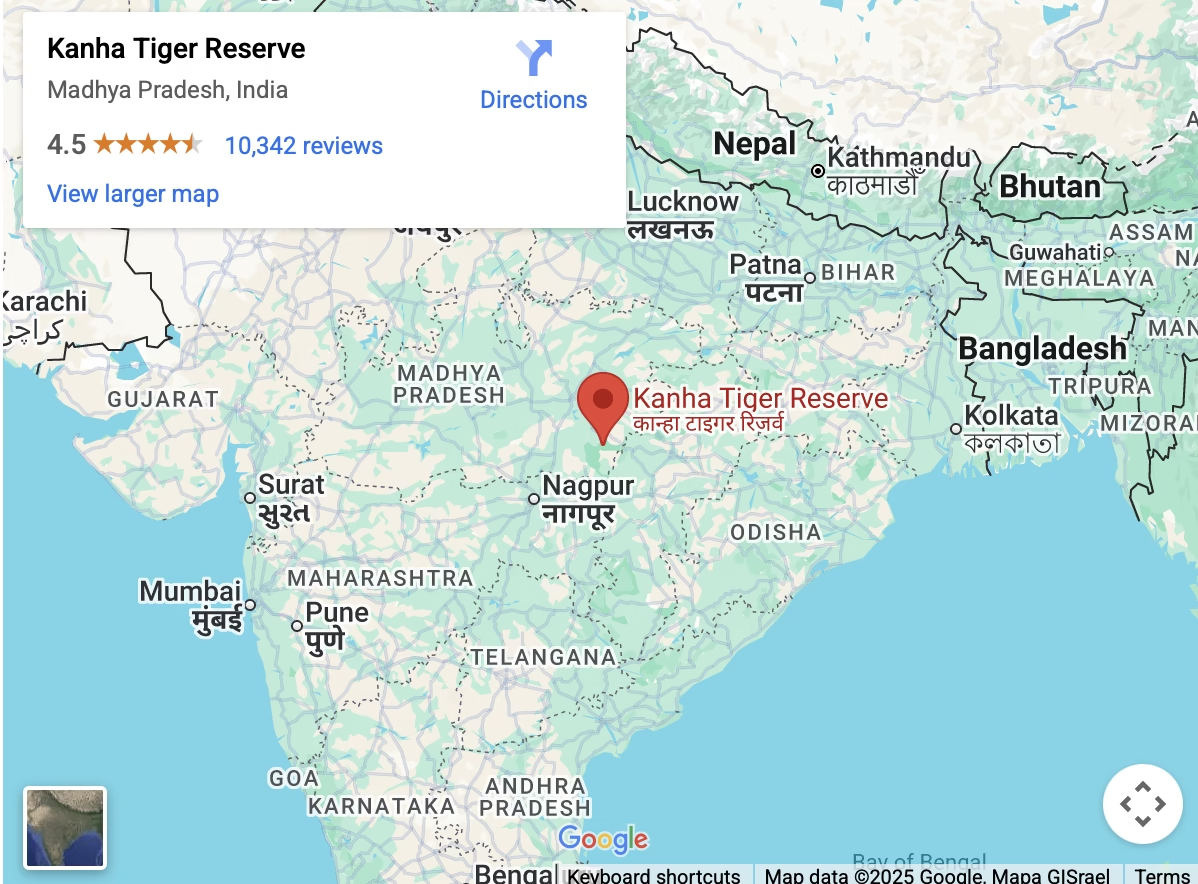
(Day 6- Day 9) Kanha National Park, Madya Pradesh.
Kanha National Park :This picturesque reserve boasts the ideal habitat for both tigers and their prey species. Lush sal and bamboo forests are interspersed with vast grassy meadows known as maidans, while the Banjaar River, which forms the park’s border, provides a steady water source for the abundant wildlife.
We will have morning and afternoon game drives, taking advantage of every opportunity to be out on tour, seeking Tigers and other amazing species of mammals and birds while at Kanha.
Day 10
This morning we will have our last game drive in Kanha, and after our game drive we will return to the lodge and enjoy a nice brunch and then a leisurely check out. We will be transferred by road to Nagpur, which should take around 4.5 hours, to arrive in time for our early evening flight.
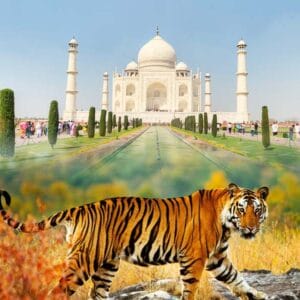
If you will like to stay the evening in Mumbai/Delhi or want to see the Taj Mahal, please let us know.We will be happy to arrange any additional travel for you.
How do we track Tigers and Leopards inside the National park?
Tigers are solitary animals and tracking them in the wild requires knowledge, experience , patience and good old fashioned luck.
The national parks are big, spread over hundreds of square kilometers but our expert guides (who grew up near the parks and they have spent good part of their lives inside their respective tiger reserves) know exactly where to go and what to look for.
We know these big cats and also know their territory, family history and behavior very well.
We also keep an eye on where a kill has been made by the tiger, the chances are Tiger will return to the kill. After meal, the big cats head for waterholes , we know these spots very well.
In the summer months, the cat cools itself in the water, we keep regular an eye on these waterholes.
Fresh pugmarks and droppings are also tell-tale sign that the tiger is nearby.
Due to their high position on trees, Langurs can spot Tigers from a long distance, and sound alarm calls. Deer alarm calls are also very useful in spotting these beautiful cats. (Leopard alarm calls and Tiger alarm calls are different)
What’s included in the tour?
• Accommodation on a Twin shared basis (single rooms may be available – please inquire).
• All meals (Breakfasts, Lunches Dinners , snacks, Tea/ Coffee)
• Private game drive activities for our group at both Tadoba and Kanha National Parks.
• Private meet and assist services at the airport and chauffeured transfer to the hotel.
• Private vehicles and drivers for all road transfers throughout the trip.
• All alcoholic beverages and soft drinks and bottled water during sightseeing tours and long drives.
• Entrance and still camera fees at all parks and sight-seeing destinations.
• The current National park entry permits and tourism levies and all relevant government taxes.
What’s Not Included?
• International airfare and/or other transportation between your home and Nagpur, India.
• Gratuities for hotel staff.
• Gratuities for game drive driver/guides in the National Parks.
• Visas, travel insurance, personal purchases (including curios, spirit liquors, telephone calls etc.)
Our professional wildlife guides have spent years in the wilderness, following specific animals day after day for several months and witnessing extraordinary and rare to see behaviour. They have extensive first-hand knowledge on the behaviour of many animals including Tigers, Leopards, Lions, Cheetahs and Elephants.
Apart from organising your safaris, they will accompany you to your destination, share their knowledge of wildlife as well as help you with expert tips on wildlife photography and post processing. They will be there to coordinate with the driver, instructing on positioning, timings, safety etc.
Tour Cost:
Please click the book now button below to see the cost of this all-inclusive tour. This fee includes all in-country transportation as well as hotel accommodation (double occupancy) and all meals. You can reserve you place by paying 25% deposit and rest 75% is due 90 days before the tour date.
Best Time to See Tigers in India
The best time to see tigers in India on wildlife safaris varies depending on the region and the specific national park or wildlife sanctuary you plan to visit. Generally, the best time for tiger sightings is during the dry season, which typically spans from October to June.
Here’s a breakdown of the seasons and their impact on tiger sightings:
1. Winter (November to February):This is a great time for tiger sightings as the temperatures are not too high and sightings are great. Moreover, tigers tend to be more active during the cooler months, increasing the likelihood of sightings. December and January are particularly good months for tiger watching.
2. Spring (March to April): As the temperatures rise, vegetation starts to sparse, making it easy to spot tigers and other wildlife. March and April can offer good opportunities for sightings, especially early in the morning or late in the afternoon when tigers are most active.
3. Summer (May to June): While the temperatures soar during summer, it’s actually amazing time for tiger sightings. The scarcity of water sources forces wildlife to gather around remaining water bodies, increasing the chances of spotting tigers.
4. Monsoon (July to September): Monsoon is generally not recommended for wildlife safaris due to heavy rainfall and dense vegetation, which obstructs visibility. Moreover, many parks remain closed during this period (July-Sep).
- India
Luxury Rhinos – Black Panthers – Tigers of Kaziranga and Manas (India)
Original price was: £6,000.£5,500Current price is: £5,500. Book Now
Best Tiger Reserves of India
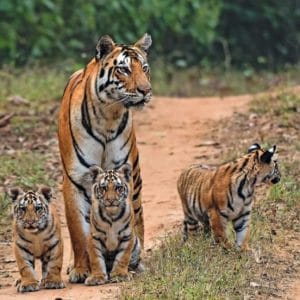
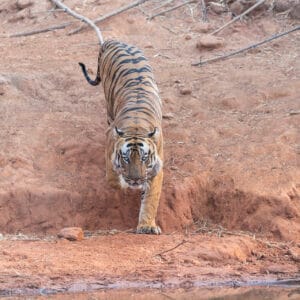
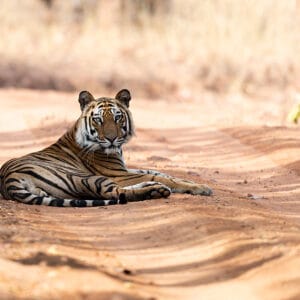
Popular tiger reserves in India include Ranthambore National Park (Rajasthan), Bandhavgarh National Park (Madhya Pradesh), Kanha Tiger Reserve (Madhya Pradesh), Jim Corbett National Park (Uttarakhand), and Sunderbans National Park (West Bengal), among others.
1. Kanha National Park : Central India
Inspired by Rudyard Kipling’s “The Jungle Book,” Kanha National Park is a verdant oasis in the heart of central India and a sanctuary for the majestic Bengal tiger. Spanning over 1,940 square kilometers of lush forests, meadows, and streams, Kanha is one of India’s largest and most scenic national parks. Visitors to Kanha can embark on tiger safaris through the park’s diverse habitats, encountering tigers, leopards, wild dogs, and the rare Barasingha deer along the way. The park’s tranquil surroundings and abundant wildlife make it a paradise for nature lovers and photographers alike, offering endless opportunities for exploration and discovery amidst the sights and sounds of the jungle.
2. Pench National Park : Central India
Pench National Park, nestled in the southern reaches of Madhya Pradesh in India, is a sanctuary of unparalleled natural beauty and biodiversity. Spanning over 758 square kilometers, Pench derives its name from the meandering Pench River that courses through its verdant forests like a lifeline. This pristine wilderness served as the inspiration for Rudyard Kipling’s timeless classic, “The Jungle Book,” and it’s not hard to see why.
The park’s landscape is a tapestry of dense teak forests, sprawling grasslands, and tranquil water bodies, creating an ideal habitat for a diverse array of flora and fauna. Teeming with life, Pench is home to over 285 species of resident and migratory birds, making it a paradise for birdwatchers. Majestic predators such as tigers, leopards, and wild dogs roam the forest alongside herds of chital, sambar, and gaur, creating a balanced ecosystem reminiscent of a bygone era. Visitors to Pench can embark on exhilarating safaris, whether by jeep or on the back of an elephant, to explore the park’s untamed wilderness. The crackle of dry leaves underfoot, the melodious chirping of birds, and the distant roar of a tiger all contribute to an immersive experience that leaves a lasting impression.
Beyond its natural splendor, Pench National Park holds cultural significance as well. It is believed that the park’s dense forests provided solace to the ancient Gond tribes, who revered its flora and fauna. Today, their descendants continue to inhabit the fringes of the park, maintaining a harmonious relationship with nature.
3. Bandhavgarh National Park: Central India
Situated in the central Indian state of Madhya Pradesh, Bandhavgarh National Park is renowned for its high density of tigers and captivating landscapes. Spread across 450 square kilometers of sal forests, grasslands, and rocky hills, Bandhavgarh offers visitors the chance to spot tigers, leopards, sloth bears, and a variety of deer species amidst ancient ruins and scenic vistas. The park’s historical significance, coupled with its rich biodiversity, creates a unique safari experience that transports visitors back in time while immersing them in the natural wonders of the jungle. Additionally, Bandhavgarh’s conservation efforts and eco-tourism initiatives ensure the protection of its wildlife and the preservation of its pristine habitats for future generations to enjoy.
4. Tadoba Tiger Reserve : Central India
Tadoba Andhari Tiger Reserve, situated in the Chandrapur district of Maharashtra, India, is a jewel in the crown of the country’s wildlife sanctuaries. Covering an area of approximately 1,700 square kilometers, Tadoba is renowned for its rich biodiversity and, most notably, its thriving tiger population.
Named after the Tadoba Lake, which serves as its centerpiece, and the Andhari River that flows through its heart, the reserve offers a mesmerizing blend of dense forests, grasslands, and water bodies. This diverse habitat supports a plethora of wildlife, including leopards, sloth bears, Indian bison (gaur), spotted deer, and a myriad of bird species.
Tadoba’s claim to fame, however, lies in its tiger conservation efforts. The reserve is home to a significant population of Bengal tigers, offering visitors a rare opportunity to witness these magnificent creatures in their natural habitat. The sight of a tigress leading her cubs through the forest or a majestic male patrolling his territory leaves an indelible impression on all who have the privilege of encountering them.
5. Ranthambore National Park: North Western India
Located in the heart of Rajasthan, Ranthambore National Park is a sanctuary for the iconic Bengal tiger and one of India’s most renowned wildlife destinations. Spread across 392 square kilometers of dry deciduous forests, rocky hills, and ancient ruins, Ranthambore offers a unique blend of history and natural beauty. Visitors to the park can embark on thrilling safari adventures, tracking tigers, leopards, sloth bears, and a variety of bird species against the backdrop of Ranthambore Fort and its picturesque lakes. Moreover, Ranthambore’s successful tiger conservation programs and community initiatives ensure the long-term survival of these magnificent creatures and the preservation of their habitat.
6. Jim Corbett National Park: Northern India
As India’s oldest national park, Jim Corbett National Park holds a special place in the country’s conservation history and remains a haven for wildlife enthusiasts. Nestled in the foothills of the Himalayas in Uttarakhand, Corbett is renowned for its diverse landscapes, ranging from dense forests and grasslands to riverine habitats and mountainous terrain. The park is home to a rich variety of wildlife, including tigers, elephants, leopards, and over 600 species of birds. Visitors to Corbett can explore the wilderness on jeep safaris, elephant rides, or guided nature walks, immersing themselves in the sights and sounds of the jungle while learning about the park’s conservation efforts and the legacy of its namesake, Jim Corbett, the legendary hunter turned conservationist.

7. Kaziranga National Park : North Eastern India
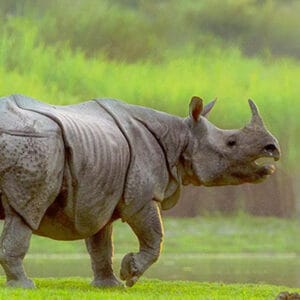
Located in the northeastern state of Assam, Kaziranga National Park is a UNESCO World Heritage Site and a stronghold for the endangered Indian rhinoceros. Spanning over 430 square kilometers of floodplains, grasslands, and marshes, Kaziranga is home to the world’s largest population of one-horned rhinos, as well as elephants, wild water buffalo, and the elusive Royal Bengal tiger. Visitors to the park can embark on elephant safaris or jeep rides through the tall grasslands, witnessing rhinos grazing peacefully alongside other wildlife. Moreover, Kaziranga’s conservation success story serves as a model for wildlife protection and community involvement, ensuring the continued survival of its precious inhabitants.
India’s reputation as Asia’s premier wildlife safari destination is a testament to its rich biodiversity, diverse landscapes, and unwavering commitment to conservation. From the iconic tigers of Ranthambore to the majestic rhinos of Kaziranga, each national park and reserve offers a unique safari experience that captivates the imagination and leaves a lasting impression on visitors. Moreover, India’s vibrant culture, warm hospitality, and dedication to sustainable tourism ensure that every safari is not just an adventure but also a journey of discovery, enlightenment, and conservation. As travelers venture into India’s wild landscapes, they not only bear witness to the wonders of nature but also play a vital role in preserving its precious heritage for future generations to enjoy. In India, the spirit of safari awaits, beckoning all who seek to explore the untamed beauty of Asia’s ultimate wildlife destination.
- India
Luxury Rhinos – Black Panthers – Tigers of Kaziranga and Manas (India)
Original price was: £6,000.£5,500Current price is: £5,500. Book Now